


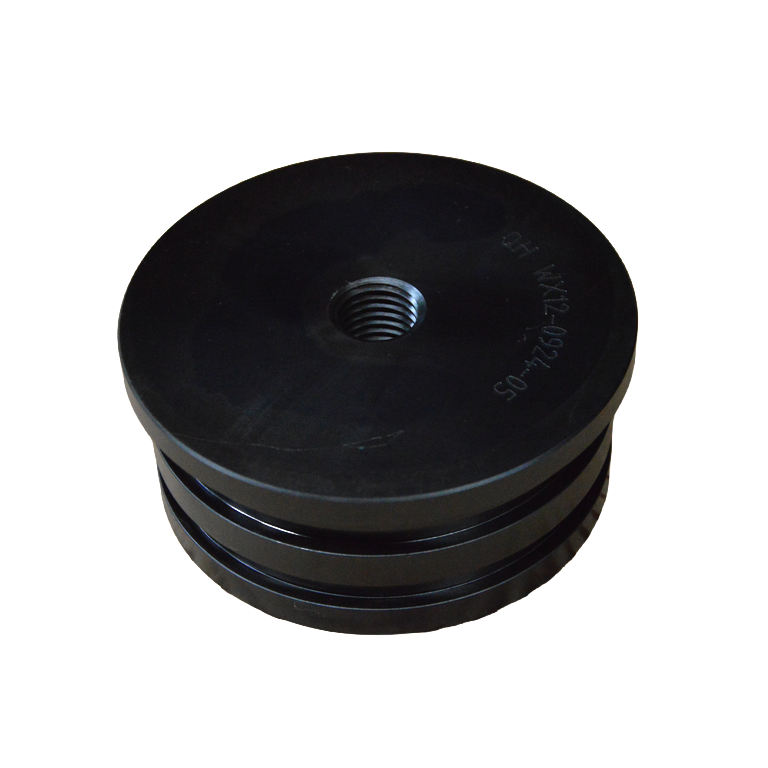
Introduction to the Suction Cap product
The suction gland is an important accessory component used in the suction valve area of the hydraulic end of the plunger pump. It is mainly installed at the suction end of the pump head and is used in conjunction with the suction valve assembly, seals and related fastening parts. Its main function is to seal, press and position the corresponding position of the suction valve cavity, provide stable installation conditions for the suction valve group, and meet the structural requirements for the maintenance and disassembly of the suction end of the plunger pump.
When the plunger pump is in operation, the medium enters the hydraulic end through the suction end. The suction valve, valve seat, valve spring and limit parts and other components form periodic opening and closing according to the reciprocating motion of the plunger. The suction cover is located in this critical working area, so its installation dimensions, mating surfaces, sealing positions, and connection status with the pump head all need to be in line with the original equipment structure.
In different models of plunger pumps, the suction end structure may adopt an upper suction cover, a lower suction cover, a compression nut or other forms of holding structure. Therefore, the suction compression cover is not a universal part. When purchasing or replacing, the product specifications should be checked against the model of the plunger pump, the original part number, the physical dimensions or the technical drawings.
Main function
1. Seal the suction valve cavity: The suction gland is installed at the corresponding position at the suction end of the plunger pump, cooperating with the pump head and the sealing assembly to form a structural seal in the suction valve area.
2. Pressing and Positioning: It plays a role in pressing, holding and positioning the relevant components in the suction valve area, enabling the valve group to be assembled in the designed position.
3. Matching sealing: The suction cover usually needs to work in conjunction with the corresponding sealing ring, gasket or sealing structure. Its main body is responsible for providing mechanical clamping and installation foundation, while the sealing performance is achieved by the matching sealing parts and mating surfaces together.
4. Facilitate valve assembly maintenance: The suction end is a part of the plunger pump that requires regular inspection and maintenance. By disassembling and assembling the suction cover, the suction valve, valve seat, valve spring and related parts can be inspected and replaced.
Work location and supporting relationship
The suction gland is located on the suction side of the hydraulic end of the plunger pump and usually forms a complete suction valve assembly together with the suction valve, valve seat, valve spring, suction valve limit piece, seal and holding structure. When the plunger returns and the suction process is formed, the suction valve opens to allow the medium to enter the pump chamber. After the plunger enters the discharge stroke, the suction valve closes. Therefore, the installation and positioning status of the suction gland should meet the structural requirements for the normal operation of the valve group.
Product features
Strong structural targeting: It is processed in accordance with the structure of the suction valve cavity at the hydraulic end of the plunger pump, and there are clear matching requirements for the installation outer diameter, steps, sealing position and connection dimensions.
High mechanical strength requirements: The suction end is subject to periodic pressure changes and mechanical loads during the operation of the pump. The cover should meet the structural strength and installation requirements of the corresponding pump type.
Easy to disassemble, assemble and maintain: As a detachable structural component of the suction valve area, it is convenient to enter the valve cavity during equipment maintenance to inspect or replace the valve group and sealing parts.
The specifications correspond to the pump type: The suction gland of different plunger pumps may vary in outer diameter, length, step size, thread or clamping structure. The selection should be based on the original equipment parameters.
Scope of application
The suction gland is mainly used in the suction valve area of the hydraulic end of reciprocating plunger pumps, high-pressure plunger pumps and related oil drilling and production equipment. It can be used for equipment production assembly, maintenance and repair, as well as replacement of suction end components. The actual adaptation range should be determined based on the model of the plunger pump, the structure of the hydraulic end and the specifications of the original accessories.
Key points for selection
The suction cover is a hydraulic end accessory with high matching requirements for pump types. When selecting the model, it is recommended to focus on confirming the following information:
1. Brand, series and specific model of plunger pump;
2. Hydraulic end specifications and plunger diameter;
3. Original part number of the suction cover;
4. Outer diameter of the cover, total length and main step dimensions;
5. Thread, compression or holding structure form;
6. Specifications of the matching suction valve, sealing parts and adjacent parts;
7. Original accessory photos, physical samples or technical drawings.
Inspection and maintenance
When inspecting the suction end, the mating surface, sealing position and connection part of the suction cover should be checked, with a focus on observing whether there is obvious wear, scratches, corrosion, deformation or thread damage. At the same time, the sealing rings, valve springs, suction valves and valve seats and other components that are matched with it should be inspected to avoid only replacing the gland while neglecting other failed parts.
Before installation, the suction valve cavity of the pump head and the mating surface of the gland should be cleaned to ensure that the installation position of the sealing parts is correct. When assembling, it should be tightened in accordance with the technical requirements of the corresponding pump type to avoid damage to the cover, seal or the hydraulic end body due to installation deviation, excessive tightening or mismatch of accessory specifications.
Plunger pumps are high-pressure equipment. Before disassembling the suction cover or inspecting the suction valve assembly, the shutdown, pressure relief and medium isolation should be completed in accordance with the equipment operation procedures. Maintenance work can only be carried out after confirming that there is no residual pressure in the system.
Procurement Instructions
Juli Petroleum Drilling and Production Equipment Co., Ltd. provides related supporting parts for the hydraulic end of suction gland and plunger pump. Due to the differences in the suction valve cavity and compression structure among different pump types, it is recommended to provide the model of the plunger pump, the specification of the hydraulic end, the original part number, physical photos or part drawings when purchasing, so as to verify the corresponding product specifications.