


Product Introduction of Packing Box Sealing
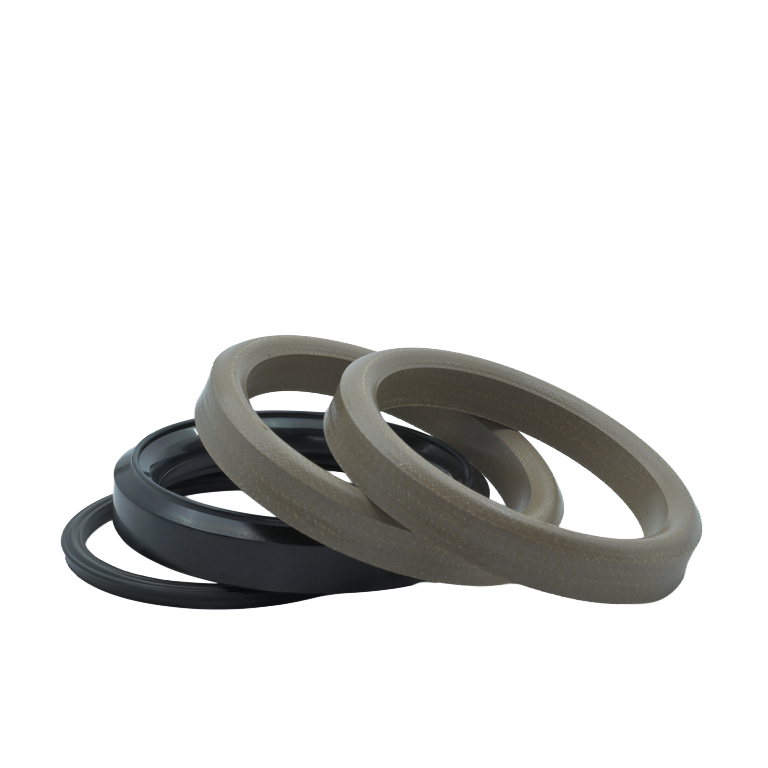
The packing box seal is a matching sealing component in the plunger seal system of the hydraulic end of the plunger pump. It is mainly installed at the junction of the packing box and the pump body, the hydraulic end or related installation components, used to seal the static mating surface around the packing box and reduce the leakage of the working medium along the installation part of the packing box.
During the operation of the plunger pump, the plunger performs continuous reciprocating motion inside the packing box, forming a dynamic seal between the plunger and the packing. The installation connection between the packing box body and the hydraulic end is usually relatively static. The packing box seal mainly targets this static connection part for sealing. Therefore, although packing box sealing and plunger packing are in the same sealing system, their installation positions and sealing objects are not the same.
The packing box structure, installation diameter, sealing groove size and sealing form of different plunger pumps may vary. When replacing the packing box seal, the selection should be made based on the model of the plunger pump, the specification of the packing box and the size of the original seal to avoid assembly difficulties or seal failure caused by mismatch in size or cross-sectional structure.
The main function of packing box sealing
1. Installation position of the sealing packing box: Seal the connection position between the external part of the packing box and the pump body or hydraulic end to reduce the leakage of the medium along the installation gap.
2. Form an independent static seal: It forms a different sealing area from the internal plunger packing and mainly undertakes the static sealing task at the fixed connection position around the packing box.
3. Installation in conjunction with packing box: The sealing element is installed in the specified sealing groove or mating position. After the packing box is inserted into the hydraulic end, a seal is formed through the corresponding compression amount.
4. Convenient for maintenance and replacement: When disassembling the packing box, replacing the plunger packing or inspecting the plunger sealing system, the sealing condition of the packing box can be checked simultaneously and replaced according to the actual situation.
The relationship between installation position and sealing
The packing box is usually installed at the corresponding position where the plunger enters the hydraulic end, and it contains components such as plunger packing, guiding or clamping assemblies inside. The plunger moves back and forth through the packing assembly, and the packing is responsible for the dynamic sealing of the outer circumference position of the plunger. The packing box seal is arranged around the packing box or at the installation joint surface, responsible for the static seal between the packing box and the hydraulic end.
Therefore, when leakage occurs at the plunger end of a plunger pump, it cannot be simply attributed to the wear of the plunger packing. During maintenance, the packing box seal, packing box seal groove and related installation mating surfaces should also be inspected according to the actual leakage location.
Product features
The application of static sealing is clear: it is mainly used at the fixed connection position around the packing box and has different functions from the dynamic packing that directly contacts the reciprocating plunger.
High requirements for size matching: The inner and outer diameters of the sealing parts, cross-sectional dimensions, and the structure of the sealing groove need to be matched with the packing box and the hydraulic end.
It is closely related to the working conditions: The selection of sealing materials needs to take into account the working medium, temperature and the actual usage conditions of the equipment. Different working conditions should not simply use the same material as a substitute.
For parts of concern for maintenance: After disassembling and assembling the packing box, it is necessary to check whether the original sealing parts have undergone compression deformation, cuts, hardening, aging or other damages, and avoid reassembling and using the already failed sealing parts.
Common failure manifestations
After long-term use, packing box seals may experience aging, hardening, compression deformation, surface wear or assembly damage, etc. Impurities in the sealing groove, damage to the sealing parts during installation, or scratches, corrosion and abnormal wear on the mating surface of the packing box may also affect the sealing effect at this position.
If the medium is still found to seep out from the periphery of the packing box or the installation joint position after replacing the plunger packing, the packing box seal, its sealing groove and mating surface should be further inspected. The parts that need to be replaced should be determined based on the actual failure location.
Key points for selection
Packing box seals are sealing accessories with high requirements for size and material matching. When purchasing, it is recommended to focus on confirming the following information:
1. Brand, series and specific model of plunger pump;
2. Plunger diameter and packing box specifications;
3. The inner diameter, outer diameter and width of the packing box sealing groove, etc.
4. The cross-sectional form and main dimensions of the original seal;
5. Working medium and actual operating conditions;
6. Part number of the original seal or packing box;
7. Original photos, physical samples or technical drawings.
Installation and Maintenance
Before installation, the sealing groove of the packing box and the corresponding mating surface should be cleaned to check for burrs, scratches, rust and foreign objects. Seals should be installed in the specified direction and position. During installation, avoid directly scratching the sealing surface with sharp tools, and prevent the seals from twisting, cutting edges or abnormally stretching.
When assembling the packing box, it is necessary to keep the axial direction aligned to avoid local damage to the sealing parts due to forced insertion or skewed assembly. After the maintenance is completed, it is necessary to check whether there is any abnormal leakage at the installation part of the packing box in accordance with the equipment requirements.
Before disassembling the packing box, replacing the sealing parts or maintaining the plunger sealing system of the high-pressure plunger pump, the shutdown, pressure relief and medium isolation should be completed in accordance with the equipment operation procedures. Only after confirming that there is no residual pressure in the system can the operation be carried out.
Procurement Instructions
Juli Petroleum Drilling and Production Equipment Co., Ltd. provides packing box seals and related accessories for plunger pump plunger seal systems. The size of the packing box, the structure of the sealing groove and the operating conditions of different plunger pumps may vary. When purchasing, it is recommended to provide the model of the plunger pump, the size of the plunger, the specification of the packing box, the size of the original sealing parts, physical photos or technical drawings for verification of the corresponding products.